
 Facebook
 X
 Pinterest
 Copy Link
Two Portland Neighborhoods. Two Very Different Real Estate Markets. Why Your Neighborhood Matters More Than Ever.
Is Portland a buyer’s market or a seller’s market? The answer depends on where you’re looking.
One of the biggest misconceptions about real estate is that there is one market that applies to everyone. But if there’s one thing the latest Portland housing numbers make clear, it’s this: real estate is incredibly local.
Sometimes, just a few miles can make all the difference.
I recently compared the latest market statistics for two highly desirable Portland neighborhoods: Alameda in Northeast Portland and Southwest Hills in Southwest Portland. Both neighborhoods attract buyers looking for beautiful homes, established communities, and an exceptional Portland lifestyle. But when it comes to current market conditions, their stories couldn’t be more different.
Let’s take a closer look.
Alameda: A Competitive Market Where Buyers Need to Be Ready
If you’re thinking about buying in Alameda, be prepared for competition.
The latest numbers show just how strong demand is in this Northeast Portland neighborhood:
- 5 days – Median time on market
- 67% – Of homes sold above asking price
- 4 homes – Available for sale at the end of September
- 0.5 months – Supply of inventory
With only about half a month of inventory, buyers have very few options compared to the number of people looking. Well-presented, appropriately priced homes can attract significant attention and multiple offers.
In fact, Alameda ranked 2nd out of 75 Portland neighborhoods for market activity.
A recent sale illustrates just how competitive this market can be.
An beautifully restored Irvington Craftsman at 3217 NE 18th Avenue was listed for $975,000 and sold for an impressive $1,210,000 after just five days on the market.
That’s $235,000 over asking price!
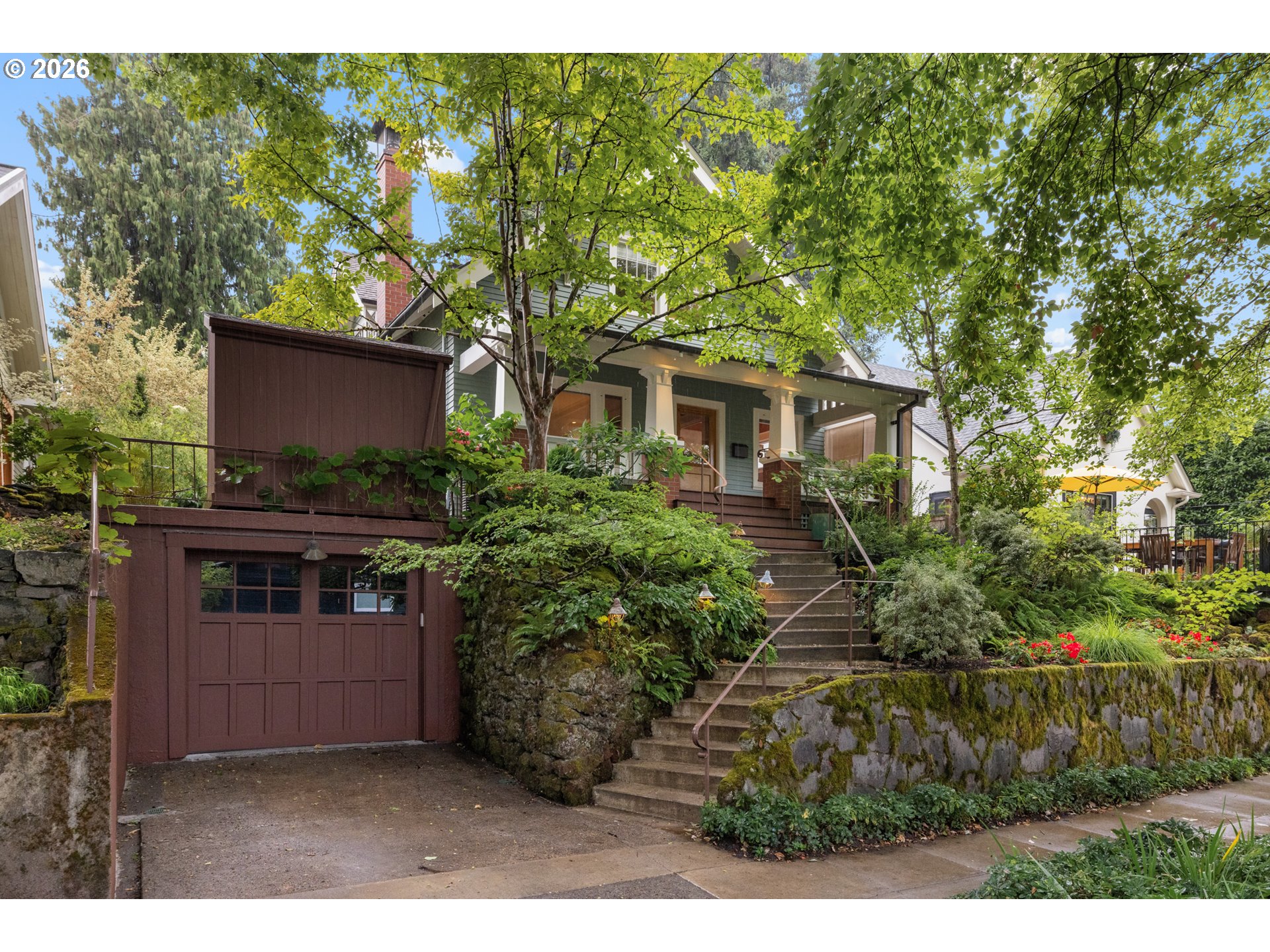
This is a great example of what can happen when a special property enters a neighborhood where buyer demand is strong and inventory is limited.
Southwest Hills: More Inventory, More Time, More Negotiating Room
Now let’s head across town to Southwest Portland.
The market in Southwest Hills is telling a very different story. Buyers have more homes to choose from, properties are generally taking longer to sell, and sellers are facing a different pricing environment.
Here’s what the latest numbers show:
- 57 days – Median time on market
- 48 homes – Available for sale at the end of September
- 4.8 months – Supply of inventory
- 10% – Of homes sold above asking price
- 90.5% – Average sale price compared to original asking price
Southwest Hills ranked 67th out of 75 Portland neighborhoods for market activity.
For buyers, this can create opportunities. There’s generally more time to evaluate properties, compare options, negotiate terms, and potentially secure a home below the asking price.
A recent sale in the neighborhood is a good example.
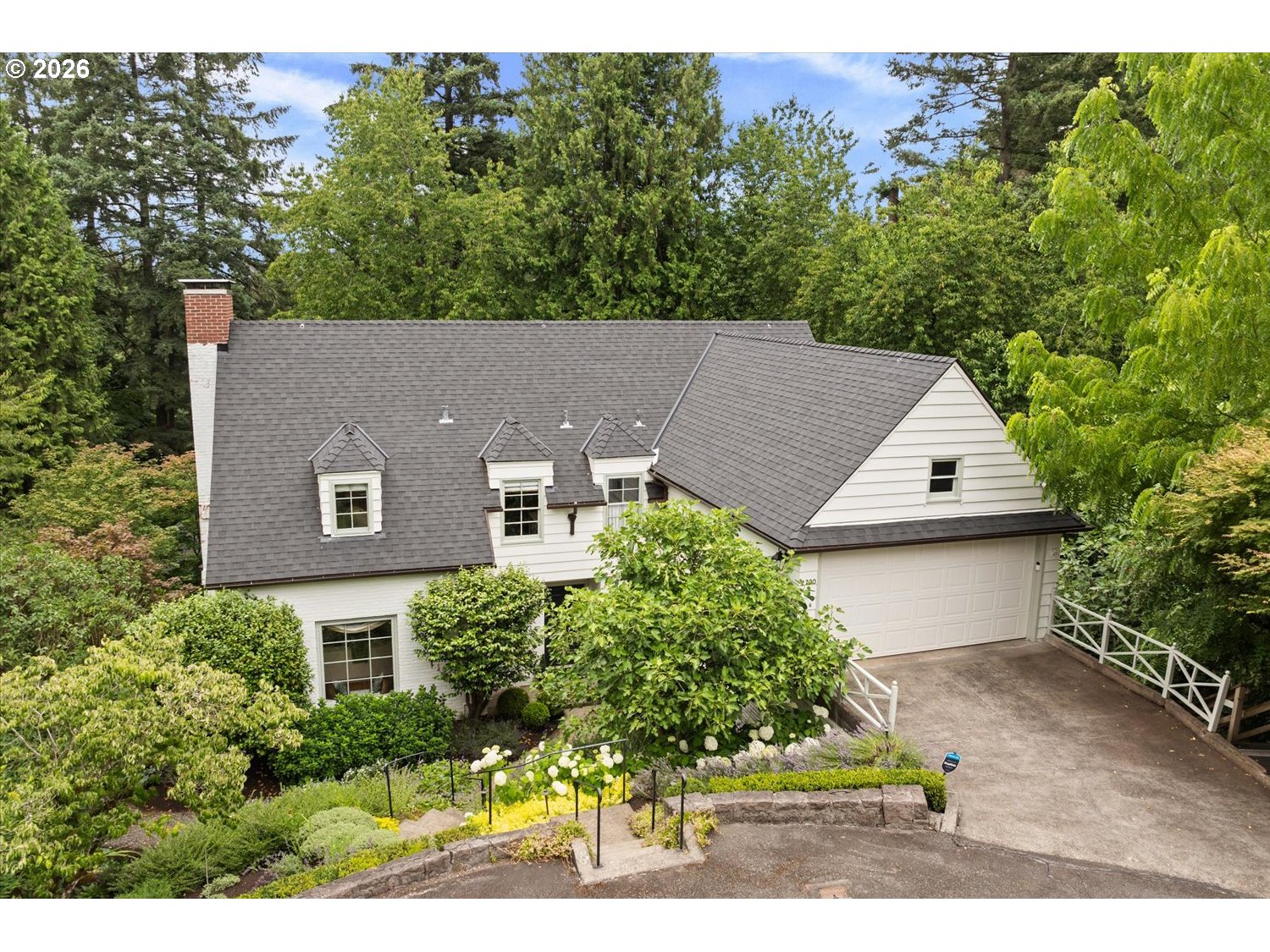
A beautifully restored English Cottage at 2700 SW English Lane originally entered the market at $1,495,000. After a price adjustment to $1,395,000, it ultimately sold for $1,330,000 after 47 days on the market.
Still a wonderful result for a special property, but a very different selling experience than what we’re seeing in Northeast Portland.
What Does This Mean for Portland Home Buyers and Sellers?
These two neighborhoods highlight something I talk about with clients all the time: You can’t apply one market strategy to every neighborhood.
The right approach depends on local inventory, buyer demand, competing properties, pricing, and the overall condition of the home.
If you’re buying:
In neighborhoods like Alameda, preparation is key. Buyers should understand their financing, know their comfort level, and be ready to act when the right property comes along.
In neighborhoods like Southwest Hills, buyers may have more flexibility. Taking time to evaluate a property, negotiating price, and asking for favorable terms may be more realistic.
If you’re selling:
In a competitive neighborhood with limited inventory, the right property can generate immediate interest and potentially multiple offers.
In a market with more available homes, pricing and presentation become even more important. Buyers have choices, and your home needs to stand out from the competition.
Overpricing can cost sellers valuable time and momentum.
The Bottom Line: Portland Isn’t One Real Estate Market
The contrast between Alameda and Southwest Hills is a perfect reminder that real estate is local, specific, and strategic.
A few miles can mean the difference between multiple offers in five days and nearly two months on the market.
That’s why I believe successful real estate decisions start with understanding what’s happening in your specific neighborhood — not simply following the latest headlines about the Portland housing market.
Whether you’re considering buying, selling, or just curious about your home’s current value, understanding the numbers can make all the difference.
Curious how your Portland neighborhood is performing?
I’d love to help you take a closer look at the numbers, understand what they mean for your home, and develop a strategy that makes sense for your goals.
Because at the end of the day, the most important real estate market isn’t Portland as a whole.
It’s your neighborhood.
